Ever thought about how food choices can help the planet? 🌎 Choosing foods like lentils does more than just boost your health. It also helps create a more sustainable food system.
Lentils are packed with nutrients and offer many health perks. They also need very little water to grow. This makes them a smart choice over meat, helping lessen your environmental impact. Simple diet changes can greatly benefit our planet’s health.
Key Takeaways
- Eating lentils supports a sustainable food system.
- Lentils are nutrient-dense and offer numerous health benefits.
- They require minimal water, making them a drought-friendly crop.
- Incorporating lentils into your diet can reduce your environmental footprint.
- Lentils are a great meat alternative, supporting a more sustainable lifestyle.
The Environmental Superpowers of Lentils
Lentils are not just good for you, they’re also superheroes for the planet 🌎. They have many environmental benefits. This makes them a great choice for those wanting to reduce their ecological footprint.
Minimal Water Footprint: A Drought-Friendly Crop
Lentils can grow well even with little rain. This makes them perfect for places with water shortages. By picking lentils, you help a water-saving food system 💧.
Carbon Footprint Reduction Benefits
Lentils need less energy to grow than many animal proteins. They also help cut down greenhouse gas emissions. This makes lentils a top pick for a sustainable diet 🌟.
Soil Health and Nitrogen Fixation Advantages
Lentils help the soil by fixing nitrogen. This means less need for harmful fertilizers and supports green farming. It’s good for the soil and helps nature too 🌱.
| Environmental Benefit | Lentils | Animal Proteins |
|---|---|---|
| Water Footprint | Low | High |
| Carbon Footprint | Low | High |
| Soil Health Impact | Positive | Negative |
Eating lentils is good for you and the planet. They use less water, cut down carbon emissions, and improve soil health. Lentils are a simple way to make your diet greener 🌎.
Nutritional Profile: Why Lentils Deserve a Spot on Your Plate
Lentils are great for the planet and your health. They have a rich nutritional profile. This makes them a fantastic addition to your diet.
Plant-Based Protein Powerhouse
Lentils are a top source of plant-based protein. They offer about 18% of the Daily Value for protein. This supports muscle health and keeps you full.
Fibre, Vitamins and Minerals for Optimal Health
Lentils are also packed with fibre. This helps with digestion and supports your daily fibre needs. They’re also rich in important vitamins and minerals like iron, folate, and potassium. These nutrients boost your overall health and wellbeing.
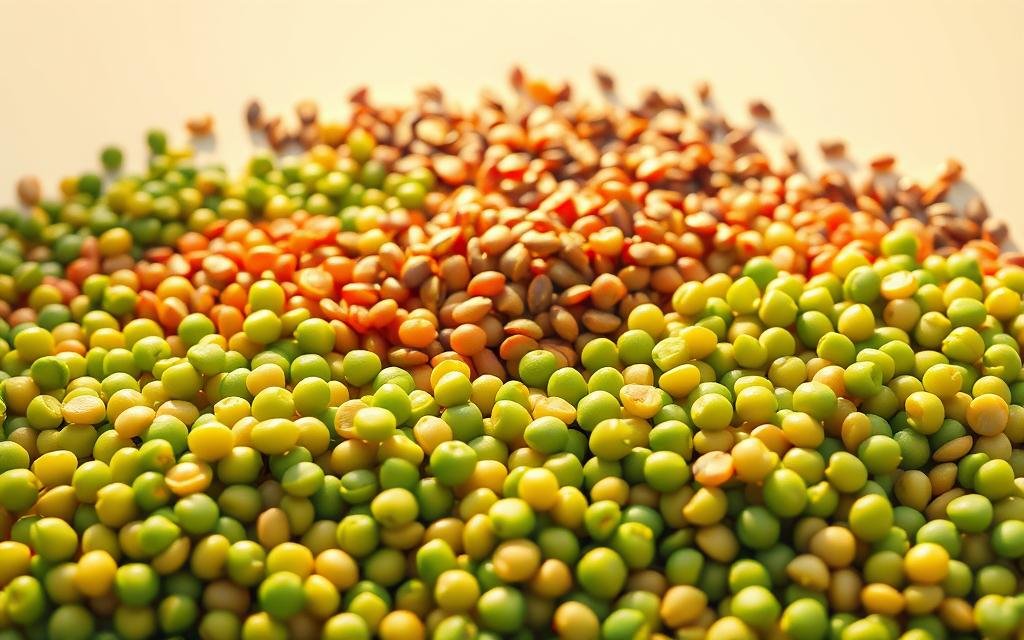
Low-Cost Nutrition for Budget-Conscious Australians
Lentils are an affordable choice, perfect for those on a budget. They offer nutritious meals without breaking the bank. Adding lentils to your diet supports a sustainable food system.
By making lentils a regular part of your meals, you gain health benefits. You also help the environment by choosing a sustainable food option.
How Lentils Help Sustainable Eating Compared to Animal Proteins
Eating sustainably is simpler than you might think, and lentils are at the forefront. They offer a better choice than animal proteins. By adding lentils to your meals, you’re making a healthier choice for yourself and the planet.
Resource Efficiency: Water, Land and Energy Savings
Lentils are a water and land-saving crop, needing much less than many animal proteins. This makes them great for those wanting to lessen their environmental impact. Here are some key advantages:
- Less water usage: Lentils need almost no irrigation, perfect for farms that care about water.
- Land use efficiency: Lentils can grow with other crops, enhancing soil health and cutting down land needs.
- Energy savings: Making lentils requires less energy than raising animals for food.
Greenhouse Gas Emission Reductions
Animal farming is a big source of greenhouse gas emissions. Lentils, on the other hand, have a much smaller carbon footprint. By picking lentils, you’re cutting down on the need for resource-heavy animal products and emissions.
Biodiversity Protection Through Plant-Based Choices
Lentils and other plant foods are vital for biodiversity. They support sustainable farming and reduce the need for vast grazing lands. This helps keep ecosystems healthy and supports a greener planet.
Adding lentils to your meals is a straightforward way to help the environment. With their many benefits, it’s clear that lentils are a cornerstone of sustainable eating.
Australian Lentil Industry: Local Sustainability Success
Australia is a big player in lentil production and leads the way in sustainable farming. The country’s lentil industry is huge, not just in volume but also in its green farming practices.
Growing Regions and Varieties
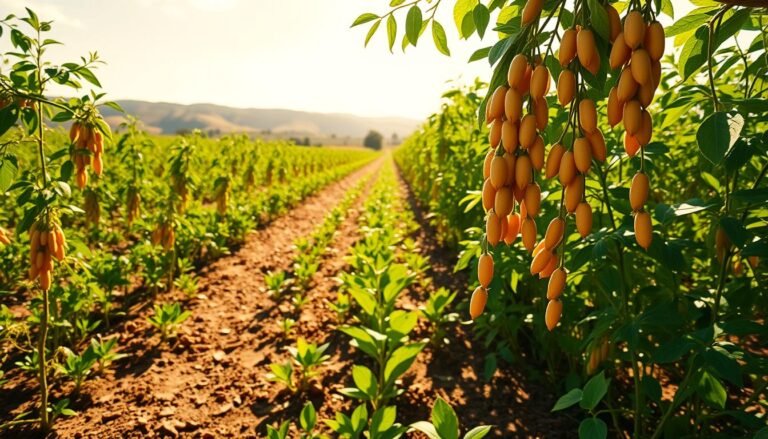
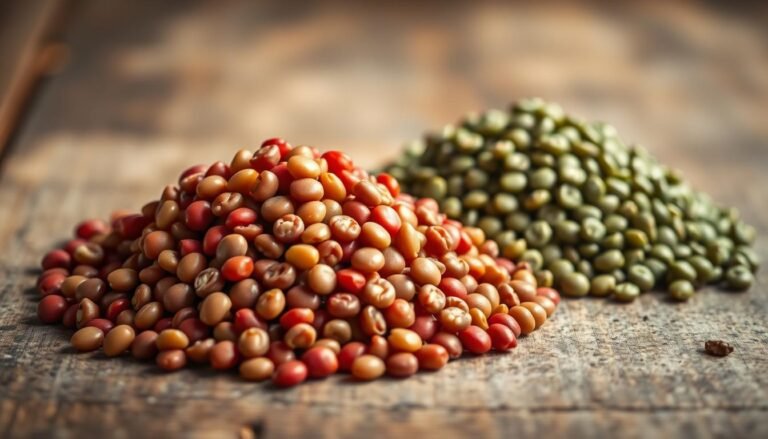
Lentils are grown in many parts of Australia, with South Australia and New South Wales leading the way. The varied climate and soil let farmers grow many types of lentils. This meets the needs of different recipes and tastes.
Sustainable Farming Practices
Australian lentil farmers use sustainable farming practices like crop rotation and minimal tillage. These methods keep the soil healthy, cut down on erosion, and boost biodiversity.
Supporting Local Farmers
Choosing Australian lentils helps local farmers and boosts the local economy. This choice supports a greener food system and keeps farming eco-friendly.
You can help by picking lentils grown locally. This cuts down on carbon emissions from transport and backs the local farming community.
- Promotes sustainable agriculture
- Supports local farmers and economy
- Reduces environmental impact
Practical Ways to Eat More Lentils
Lentils are a versatile ingredient that can make your meals better. They are good for you and the planet. Adding lentils to your diet can boost your health and help the environment.
Quick and Easy Lentil Preparation Methods
Cooking lentils is simple and fast. They don’t need soaking, making them perfect for quick meals. Just rinse them, add to a pot with water or broth, and simmer until they’re soft. You can also use a pressure cooker to cook them faster.
- Rinse lentils and remove any debris or stones
- Add lentils to a pot with water or broth and bring to a boil
- Reduce heat and simmer for 20-30 minutes or until tender
Aussie-Inspired Lentil Recipes for Every Meal
Lentils are great in many dishes, from soups to salads. Try a lentil soup with veggies and spices, or a lentil curry with coconut milk. You can also add them to salads for extra protein and fiber.
For more ideas, check out these top tips for enjoying beans and lentils.
Meal Planning for Sustainable Weekly Menus
Using lentils in your meal planning helps make sustainable menus. It’s good for the planet and your health. Make a big batch of lentil soup or stew on the weekend and use it for lunches all week.
Here are some tips for meal planning with lentils:
- Plan meals around seasonal ingredients to reduce waste and support local farmers
- Use lentils as a protein source in place of meat for some meals
- Experiment with different types of lentils and spices to keep your meals interesting and varied
The Future of Lentils in Climate-Resilient Food Systems
Lentils are becoming key in climate-resilient food systems as we face climate change. The Australian lentil industry is putting a lot of effort into making crops better. This helps the environment and makes sure we have enough food.
Innovative Lentil Products Entering Australian Markets
Australia is seeing more innovative lentil products on the market. These include lentil snacks and ready-to-eat meals. They make it easy for people to add lentils to their diet.
Climate Adaptation and Food Security Benefits
Lentils are great for adapting to climate change because they can handle drought. Adding lentils to our food systems boosts food security, especially in areas hit hard by climate change.
“Lentils are a crop of the future, providing a sustainable and resilient solution to the challenges posed by climate change.”
Research and Development in Australian Pulse Crops
The Australian lentil industry is always working to make lentils better. They focus on making crops more resilient and productive. This keeps lentils important for a sustainable food system.
Supporting climate-resilient food systems is crucial for a sustainable future. Choosing the right food can help our planet. It’s a small step towards a healthier world.
Conclusion: Small Lentils, Big Impact on Planetary Health
Lentils are packed with nutrients and offer many health benefits. They also support sustainable eating and help our planet. Adding lentils to your meals can make a big difference.
Choosing lentils helps the environment because they have a lower carbon footprint than meat. They also help the soil by fixing nitrogen, which means less need for fertilizers. Lentils are great in many dishes, from stews to curries.
By eating lentils, you’re good for your body and the planet. Start cooking with lentils today. Every meal you make with them helps create a greener future.