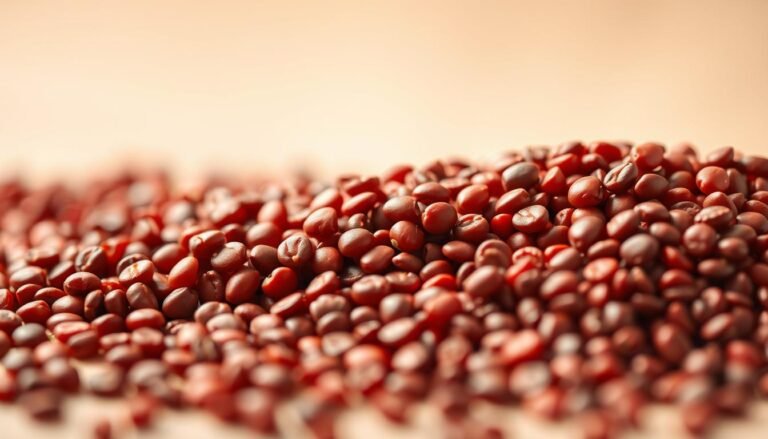
Choosing the right foods for our diet is key. Lentils and quinoa are two foods packed with nutrients. They are called superfoods because of their health benefits.
Lentils are full of protein and fibre. They’re great for your digestive health. Quinoa, being a complete protein, has all nine amino acids our bodies need. Knowing what’s in these foods helps us make better choices.
Key Takeaways
- Both lentils and quinoa are high in essential nutrients.
- Lentils are rich in protein and fibre.
- Quinoa is a complete protein, containing all nine essential amino acids.
- Incorporating these foods into your diet can improve overall health.
- Making informed choices about nutrition is vital for well-being.
Understanding Lentils and Quinoa: An Overview
Lentils and quinoa are top picks for healthy eating. They’re packed with nutrients and are key in many diets. Knowing what they are and their types helps you make better food choices.
What Are Lentils?
Lentils are a legume full of protein and fiber. They’re great for boosting health. You can use them in soups, salads, and more.
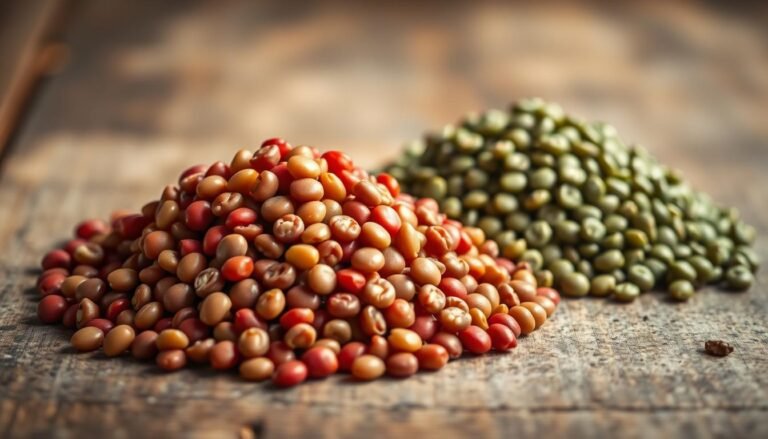
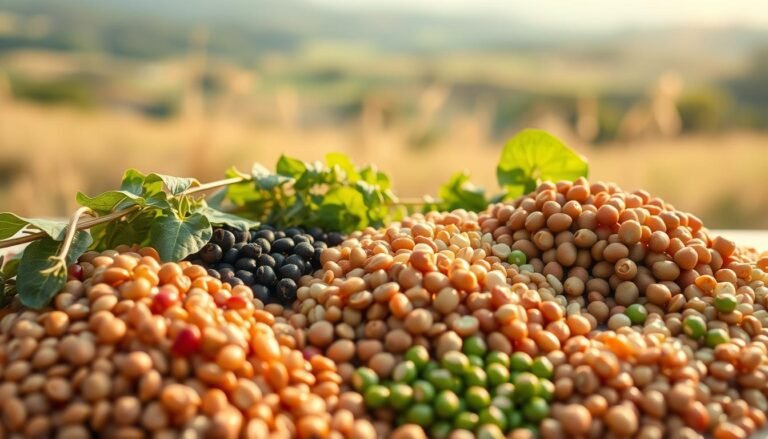
Types of Lentils Available in Australia
In Australia, you’ll find many lentil types. Here are a few:
- Red lentils, perfect for soups and curries.
- Green lentils, great for salads and stews.
- Yellow lentils, commonly used in Indian dishes.
- Beluga lentils, known for their shiny black look.
What Is Quinoa?
Quinoa is a complete protein. It has all nine essential amino acids. It’s also rich in iron and magnesium.
Varieties of Quinoa in Australian Markets
Australia has many quinoa types. Here are a few:
- White quinoa, the most popular type.
- Red quinoa, has a sweeter taste.
- Black quinoa, offers a robust flavor.
- Tri-color quinoa, a mix of white, red, and black.
Cultural and Culinary Significance
Lentils and quinoa have been important in many cultures for centuries. For more info on their nutritional comparison, check this page.
Lentils vs Quinoa Nutrition: A Detailed Comparison
Lentils and quinoa are great for a healthy diet. But they have different nutrients. Knowing these differences helps you choose what’s best for you.
Macronutrient Breakdown
Lentils and quinoa have different nutrients.
Protein, Carbs, and Fat Content
Lentils have more protein and fibre than quinoa. They’re good for those who want more protein without meat. Quinoa, however, has all nine amino acids the body needs.
Quinoa has more carbs and a bit more fat. But most of its fat is healthy.
Lentils have about 9g of protein, 40g of carbs, and 0.9g of fat per 100g cooked. Quinoa has 4.4g of protein, 21.3g of carbs, and 2.2g of fat per 100g cooked.
Fibre Comparison
Lentils have more fibre than quinoa. Cooked lentils have about 7.9g of fibre per 100g. Quinoa has 2.2g of fibre per 100g cooked.
Eating more fibre is good for your health. It helps your digestion and lowers cholesterol.
Vitamin Content Comparison
Lentils and quinoa have different vitamins.
B Vitamins and Folate
Lentils are full of folate, a B vitamin. Folate is key for cell growth. Quinoa also has folate, but lentils have more.
Folate is very important for pregnant women. It helps prevent birth defects.
Mineral Content Comparison
Quinoa is rich in minerals like iron, magnesium, and zinc.
Iron, Magnesium, and Zinc Levels
Quinoa is a good iron source. Iron is important for healthy blood cells. It also has magnesium and zinc.
Magnesium helps muscles and nerves. Zinc boosts the immune system and helps wounds heal. While lentils have these minerals too, quinoa has more.
In summary, both lentils and quinoa are nutritious. They’re great for a healthy diet. Your choice depends on your dietary needs and likes.
Health Benefits of Lentils
Lentils are packed with nutrients that help your heart and control blood sugar. They are full of proteins, fibers, and vitamins and minerals. This makes them a great choice for a healthy diet.
Heart Health and Cholesterol Management
Lentils are good for your heart because of their fiber and potassium. The fiber in lentils helps lower cholesterol by removing bile acids from your body. Regularly eating lentils can help keep your cholesterol levels in check and improve heart health.
Blood Sugar Regulation and Diabetes Prevention
The fiber and protein in lentils help control blood sugar. They slow down sugar absorption, preventing blood glucose spikes. This makes lentils a good choice for people with diabetes or at risk. Eating lentils can help keep blood sugar stable.
Digestive Health and Gut Microbiome Benefits
Lentils are full of dietary fiber, which is good for your digestive system. The fiber feeds the good bacteria in your gut, supporting a healthy gut microbiome.
Prebiotic Properties
The prebiotic properties of lentils help balance your gut microbiota. This balance is key for a strong immune system and overall health. Some benefits include:
- Enhanced digestion and absorption of nutrients
- Support for the immune system
- Production of short-chain fatty acids, which provide energy to the cells lining the colon
Health Benefits of Quinoa
Quinoa has been a key food in South America for ages. Now, its health perks are known all over the world. It’s packed with nutrients, making it great for a healthy diet.
Complete Protein Source for Plant-Based Diets
Quinoa is a complete protein. It has all nine amino acids our bodies need. This is perfect for vegetarians and vegans. A study on Healthline shows it’s as good as animal proteins for plant-based diets.
Antioxidant Properties and Anti-Inflammatory Effects
Quinoa is full of antioxidants. These protect our bodies from harm. Its antioxidants can also fight inflammation, lowering disease risks like heart disease and diabetes.
Gluten-Free Benefits for Coeliac Disease
Quinoa is naturally gluten-free. It’s great for people with coeliac disease or gluten intolerance. It adds important nutrients without gluten risks.
Safe Alternatives for Wheat Sensitivity
Quinoa is safe for those with wheat sensitivity. It’s nutritious and can be used in many dishes. It’s a healthy choice for any meal.
Adding quinoa to your meals can boost your health. It’s a complete protein and has antioxidants and is gluten-free. Nutrition experts say, “Quinoa is a nutrient-dense food that’s key for a balanced diet.”
Which Is Better for Your Specific Dietary Needs?
To figure out if lentils or quinoa is better, let’s look at their benefits. Both are good for you, but they have different nutrients. This means one might be better for you than the other, depending on what you’re trying to achieve.
Weight Management Goals
Both lentils and quinoa are great for weight management. They have lots of fiber and protein. This helps you feel full.
Caloric Density and Satiety
Lentils have fewer calories and more fiber, making you feel very full. Quinoa has a bit more calories but is also filling because of its protein. Your choice might depend on if you want fewer calories or more protein.
Athletic Performance and Muscle Building
Quinoa is a complete protein, perfect for athletes who need to build muscle. Lentils aren’t complete proteins but can be mixed with other foods to get all amino acids. This helps with muscle health.
Vegetarian and Vegan Diets
Both lentils and quinoa are key in vegetarian and vegan diets. Quinoa’s complete protein is great, but lentils are also rich in protein when eaten with other foods.
Budget-Friendly Nutrition in Australia
Lentils are cheaper than quinoa, making them a good choice for affordable meals. For those in Australia looking to save money on healthy food, lentils are a smart pick. Many are grown locally, like those at Australian Lentils.
In conclusion, picking between lentils and quinoa depends on your dietary needs and likes. Whether you’re trying to lose weight, boost athletic performance, or follow a plant-based diet, both can be great for your meals.
Conclusion: Making the Right Choice for Your Diet
Choosing between lentils and quinoa depends on your health goals. Both are great for a healthy diet. They offer lots of nutritional benefits.
Lentils are packed with protein, fiber, and minerals. Quinoa is a complete protein, perfect for plant-based diets. Adding both to your meals ensures you get all the nutrients you need.
What you choose depends on your diet needs. Lentils are good for weight management and heart health. Quinoa is great for those needing gluten-free, complete proteins. Knowing the benefits of each helps you make the best choice for your health.