As a parent, finding nutritious food options for your kids is a top priority. Lentils are becoming more popular. They’re packed with protein, fibre, and minerals. But, are they safe for your little ones?
Lentils are a superfood for kids. They offer plant-based protein, fibre, and minerals like iron and potassium. Adding lentils to your child’s meals can boost their health and growth.
Key Takeaways
- Lentils are a nutritious and safe food option for kids.
- They’re rich in protein, fibre, and essential minerals.
- Incorporating lentils into your child’s diet can support their overall health.
- Lentils are versatile and can be prepared in a variety of ways.
- They’re a great addition to a balanced diet for kids.
The Nutritional Powerhouse of Lentils
Lentils are a simple yet powerful way to boost your child’s nutrition. They’re packed with essential nutrients that support growth and development. This makes them an excellent addition to your family’s diet.
Essential Nutrients in Lentils
Lentils are rich in protein, fiber, and various vitamins and minerals. One cup of cooked lentils provides about 18 grams of protein. This makes them an excellent protein source for kids. They’re also high in iron and folate, crucial for healthy red blood cells.
| Nutrient | Amount per Cup (Cooked) | Benefit |
|---|---|---|
| Protein | 18g | Supports muscle growth and repair |
| Fiber | 15.6g | Aids digestion and satiety |
| Iron | 6.6mg | Essential for healthy red blood cells |
How Lentils Support Growing Bodies
The nutrients in lentils play a vital role in supporting the growth and development of children. The high protein content helps build and repair muscles. The fiber aids in digestion and keeps kids feeling fuller for longer. Additionally, the iron in lentils is crucial for healthy red blood cells. This supports energy levels and overall health.
Are Lentils Safe for Kids Nutrition? Addressing Common Concerns
As a parent, you might wonder if lentils are good for your child’s diet. Lentils are packed with nutrients and offer many health benefits for kids. But, you might still have some worries about their safety.
Age-Appropriate Introduction of Lentils
It’s important to introduce lentils at the right time. You can start giving them to your child around 6-8 months. Start with small amounts and mash or puree them to avoid choking. Always check with your pediatrician before introducing new foods.
Potential Allergen Considerations
Lentils are not usually a common allergen, but they can cause issues in some kids. Watch for signs of an allergy like rashes, itching, or tummy troubles when introducing lentils. If allergies run in your family, talk to your doctor.
Busting Myths About Lentils and Children
Some parents think lentils are too dense or hard for kids to digest. But, when cooked right, lentils are soft and easy to digest. “Lentils are a great first food because they’re rich in iron and protein,” says a pediatric nutrition expert. Adding lentils to your child’s diet gives them a nutrient-rich food that supports their growth.
When and How to Introduce Lentils to Australian Children
Wondering when and how to introduce lentils to your child? Lentils are packed with proteins, fibers, and minerals. They’re great for kids’ diets and can be cooked in many ways.
Baby’s First Lentils: 6-12 Months
Start introducing lentils to your baby at 6 months. Use red or yellow lentils as they’re easy to digest. Make sure to cook them well until they’re soft.
You can mix cooked lentils with breast milk or formula. Start with a small amount (about 1-2 teaspoons). Gradually increase the serving size as your baby gets used to it.
Toddlers and Beyond: Expanding Lentil Options
When your child becomes a toddler, you can try different lentils. Green or brown lentils are good choices as they keep their shape. You can add them to soups, stews, or salads.
Here’s a simple table to help you choose the right lentils:
| Lentil Type | Cooking Time | Best Used In |
|---|---|---|
| Red Lentils | 20-25 minutes | Purees, Soups |
| Green Lentils | 30-40 minutes | Salads, Stews |
| Brown Lentils | 30-40 minutes | Curries, Stews |
Preparing Lentils for Maximum Digestibility and Safety
To add lentils to your child’s diet safely and healthily, proper preparation is essential. Lentils are packed with nutrients but can be hard to digest if not prepared right. By soaking and cooking them correctly, you can make them easier for your child to digest.
Soaking and Cooking Methods
Soaking lentils before cooking can cut down their cooking time and improve digestibility. Here’s how to do it:
- Rinse lentils well before soaking to get rid of any dirt or impurities.
- Soak lentils in water for at least 30 minutes. Some types might need longer.
- After soaking, drain and rinse the lentils again before cooking.
- Cook lentils until they’re soft. Using a pressure cooker can speed up the cooking time.

Making Lentils Easier on Little Tummies
There are more ways to make lentils gentle on your child’s stomach:
Tips for Easier Digestion:
- Puree cooked lentils to make them easier for younger kids to digest.
- Add digestive-friendly spices like cumin or ginger to lentils.
- Slowly introduce lentils into your child’s diet to check how they react.
By following these simple steps, you can safely and healthily include lentils in your child’s meals.
Kid-Friendly Lentil Recipes Australian Families Love
Lentils are great for making meals fun and healthy for kids. You can add them to many dishes, making mealtime exciting and nutritious.
Breakfast Ideas with Lentils
Start your day with lentils for a tasty and healthy breakfast. Try a lentil bowl with veggies and a fried egg. Or blend cooked lentils into a smoothie for a nutritional boost.
Lunchbox-Friendly Lentil Dishes
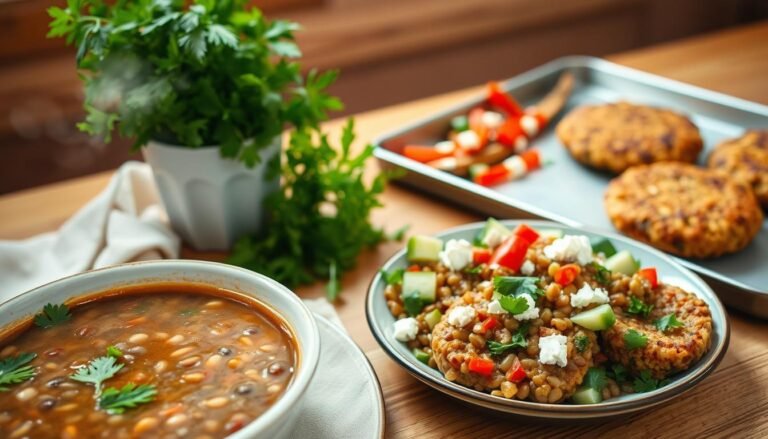
For a healthy lunch, make lentil soup or salad with veggies. You can also fill sandwiches or wraps with lentils. For inspiration, check out this lentil soup recipe.
Dinner Recipes the Whole Family Will Enjoy
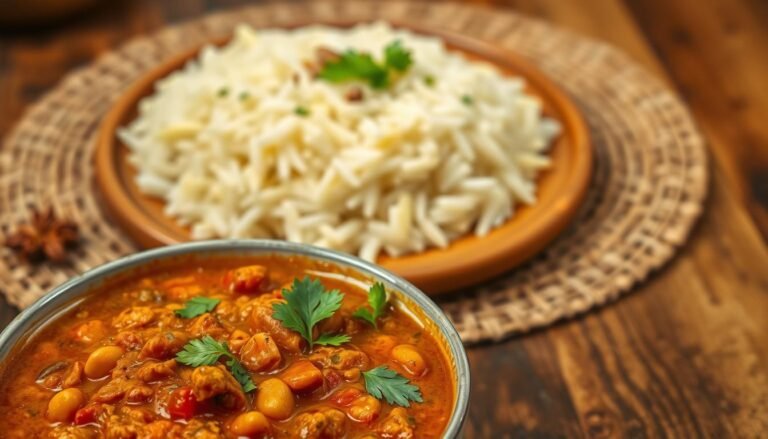
Get creative with lentils for dinner. Make lentil curry, Bolognese, or meatballs. These dishes are tasty and full of nutrients.
| Meal Time | Lentil Dish |
|---|---|
| Breakfast | Lentil Breakfast Bowl |
| Lunch | Lentil Salad or Soup |
| Dinner | Lentil Curry or Bolognese |
“The key to a healthy diet is variety and creativity in the kitchen,” says a renowned nutritionist, emphasizing the importance of incorporating diverse ingredients like lentils into our meals.
Overcoming Picky Eating: Making Lentils Appealing to Kids
Turning lentils into a food kids love is possible with the right approach. It’s not hard to make lentils appealing to your kids. A little creativity can help introduce these healthy legumes into their diet easily.
Creative Presentation Strategies
Presentation is crucial in making lentils appealing to kids. Try making lentil patties or adding cooked lentils to homemade burgers. Mixing lentils with cheese or veggies can also add fun texture. Making it visually appealing can really help.
Incorporating Lentils into Favourite Aussie Meals
Adding lentils to familiar dishes is a great way to get kids to eat them. You can mix lentils into Aussie meatballs or pasta sauce. Here’s a simple table showing how to add lentils to popular Aussie meals:
| Meal | Lentil Incorporation Idea |
|---|---|
| Meatballs | Mix cooked lentils into the meatball mixture |
| Pasta Sauce | Add cooked lentils to the sauce for added texture and nutrition |
| Soups | Use lentils as a base for a hearty and comforting soup |
Lentil Varieties Available in Australia and Their Benefits for Children
Australia offers a wide range of lentil varieties. This makes it easy for parents to add these nutritious legumes to family meals. Each lentil type has its own color, size, and nutritional benefits.
Red Lentils: Quick-Cooking and Mild
Red lentils are perfect for kids because they taste mild and are soft when cooked. They cook fast, which is great for families on the go. They’re full of protein and fiber, helping with digestion and giving kids energy.
Brown and Green Lentils: Hearty and Nutritious
Brown and green lentils have a rich flavor and a firm texture. They’re great in salads, stews, and casseroles. They’re loaded with essential nutrients like iron, potassium, and fiber. These nutrients are vital for kids’ health and growth.
Black Lentils: The Protein Powerhouse
Black lentils, or beluga lentils, are small, shiny, and very protein-rich. They keep their shape well when cooked, making them ideal for salads and sides. Their high protein and nutrient-dense profile help support muscle growth and energy in kids.
Adding these lentil types to your child’s meals ensures they get a wide range of nutrients. It also lets them try new flavors and textures.
Conclusion: Embracing Lentils for Healthy Australian Kids
As a parent, finding nutritious food for your kids is key. Lentils are a great choice, packed with benefits for your family’s diet. They help your kids develop healthy eating habits.
Lentils are easy to add to many meals, from breakfast to dinner. Their mild taste and soft texture make them perfect for kids. Including lentils in your child’s meals ensures they get the nutrients they need.
Begin exploring lentils for your kids today. They offer many benefits. With a bit of creativity, lentils can become a key part of your family’s healthy eating. This supports your kids’ health and sets them up for a healthy future.