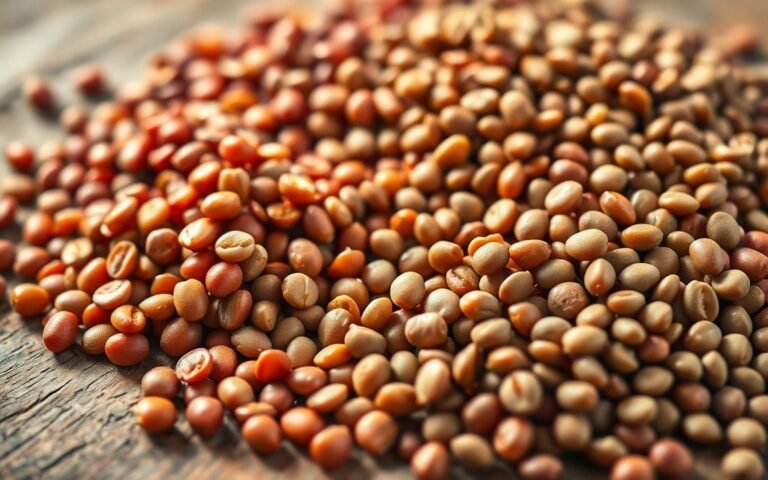
Have you heard that lentils are not just good for you? They’re also a strong fighter against inflammation. Lentils are full of nutrients and have anti-inflammatory effects. They’re a smart choice for your diet.
The science shows that lentils are full of good stuff. They have polyphenols, flavonoids, and dietary fiber. These help your body in many ways. Eating lentils can boost your nutrition and help lower inflammation.
Key Takeaways
- Lentils are a nutrient-rich food with anti-inflammatory properties.
- Including lentils in your diet can help improve overall health benefits and nutrition.
- The anti-inflammatory effects of lentils are backed by scientific evidence.
- Lentils are a versatile ingredient that can be easily incorporated into various meals.
- Regular consumption of lentils may contribute to a reduction in inflammation markers.
Understanding Lentils and Their Nutritional Profile
Lentils are packed with protein, fiber, and minerals. They’re great for cooking and offer many health benefits.
Types of Lentils Common in Australian Markets
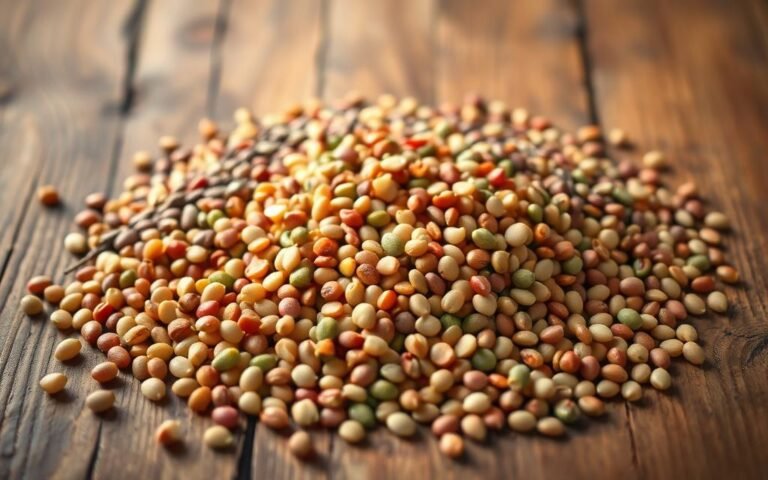
In Australia, you can find green, red, yellow, and beluga lentils. Each type has its own taste and texture, perfect for different dishes.
- Green lentils are great for salads and stews.
- Red lentils cook quickly and are perfect for soups.
- Beluga lentils have a rich, earthy flavor and hold their shape well.
Essential Nutrients and Minerals in Lentils
Lentils are full of protein, fiber, and minerals like iron and potassium. They also have folate, important for cell growth and metabolism.
Bioactive Compounds with Health Benefits
Lentils have compounds that boost health, including polyphenols and antioxidants.
Polyphenols and Antioxidants
These compounds fight oxidative stress and inflammation. Polyphenols in lentils have anti-inflammatory effects.
Resistant Starch Content
Lentils also have resistant starch. It acts as a prebiotic, helping good gut bacteria. This supports a healthy gut.
Adding lentils to your meals is tasty and good for you. They’re full of nutrients and compounds that help your body.
What Is Inflammation and Why Should We Care?
Inflammation is a big deal because it’s linked to many chronic diseases. It’s how your body reacts to injury or infection. But, if it goes on too long, it can cause serious health problems.
Acute vs. Chronic Inflammation Processes
Inflammation comes in two forms: acute and chronic. Acute inflammation is a quick response to heal or fight off infections. Chronic inflammation, however, lasts a long time and can harm your body’s tissues and organs.
Common Inflammation Markers in the Body
There are blood markers that show inflammation. Some common ones are:
- C-Reactive Protein (CRP)
- Erythrocyte Sedimentation Rate (ESR)
- Pro-inflammatory cytokines like IL-6 and TNF-α
Health Consequences of Unchecked Inflammation
Chronic inflammation can lead to serious health issues. It’s linked to heart disease, diabetes, and some cancers. If not managed, it can cause big health problems.
Inflammation-Related Conditions Common in Australia
In Australia, many conditions are linked to chronic inflammation. These include:
- Arthritis
- Cardiovascular disease
- Type 2 diabetes
How Lentils Reduce Inflammation Markers: The Scientific Mechanism
Studies have shown that lentils can lower inflammation in the body. This is thanks to their high levels of polyphenols, fibre, and protein.
Polyphenols and Their Direct Anti-inflammatory Pathways
Lentils are packed with polyphenols, which are antioxidants. These compounds can block inflammatory pathways in the body. A study found that polyphenols can stop enzymes and proteins that cause inflammation. This makes lentils a good food for fighting chronic inflammation.
Fibre Content and Gut Microbiome Interaction
The fibre in lentils is key for a healthy gut. A healthy gut helps lower body-wide inflammation. Fibre feeds good bacteria, which make anti-inflammatory short-chain fatty acids. A balanced gut flora keeps the gut barrier strong, preventing inflammation.
Protein Quality and Inflammatory Response Modulation
Lentils are a great source of protein, important for many body functions. The protein in lentils helps make anti-inflammatory cytokines. It also affects how the body responds to inflammation.
Amino Acid Profile and Inflammation
Lentils contain amino acids like arginine and glutamine, which fight inflammation. Arginine, for example, helps make nitric oxide. This improves blood flow and can lower inflammation.
“The amino acid composition of lentils can modulate inflammatory pathways, contributing to overall health.”
In short, lentils’ mix of polyphenols, fibre, and protein helps reduce inflammation. Adding lentils to your meals can help you enjoy these anti-inflammatory benefits.
Key Inflammation Markers Affected by Lentil Consumption
Research shows lentils can change inflammation markers in our bodies. They are full of nutrients and compounds that fight inflammation.
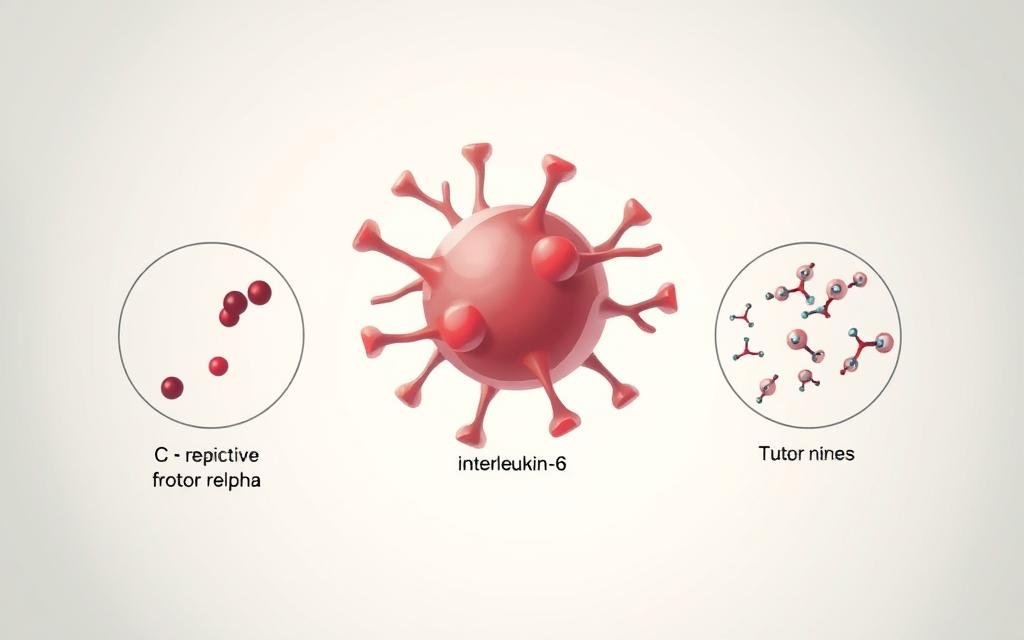
C-Reactive Protein (CRP) Reduction Evidence
Studies show eating lentils can lower C-Reactive Protein (CRP) levels. CRP rises with inflammation and is linked to heart disease. Eating lentils can help keep CRP levels down, reducing inflammation.
Impact on Pro-inflammatory Cytokines (IL-6, IL-1β)
Lentils also affect pro-inflammatory cytokines like IL-6 and IL-1β. These cytokines are key in inflammation. Lentils’ compounds can lower their production, reducing inflammation.
“A diet rich in legumes like lentils can significantly reduce inflammation markers, contributing to overall health and well-being.”
Effects on Tumour Necrosis Factor-Alpha (TNF-α)
Tumour Necrosis Factor-Alpha (TNF-α) is another inflammation marker affected by lentils. TNF-α is involved in inflammation and is a cytokine that promotes inflammation. Studies show lentils can lower TNF-α levels, reducing inflammation.
Influence on Oxidative Stress Markers
Lentils also impact oxidative stress markers. Oxidative stress happens when free radicals outbalance antioxidants, causing inflammation and cell damage. Lentils’ antioxidants help fight oxidative stress, aiding their anti-inflammatory effects.
Research Studies Supporting Lentils’ Anti-inflammatory Properties
Lentils have been studied for their anti-inflammatory effects in various research contexts. This includes human clinical trials and laboratory experiments. These studies show how lentils can help reduce inflammation markers in the body.
Australian and International Human Clinical Trials
Human clinical trials have looked into lentil consumption’s impact on inflammation. A study found that those who ate lentils regularly had lower inflammation markers. Research suggests lentils’ high fibre and polyphenols play a role in their anti-inflammatory effects.
Laboratory and Animal Model Findings
Laboratory and animal studies have explored lentils’ anti-inflammatory mechanisms. They found that lentil compounds can change inflammatory pathways and reduce oxidative stress.
Meta-analyses and Systematic Reviews on Legumes
Meta-analyses and systematic reviews have looked at lentils and other legumes. They found that eating legumes can lower inflammation.
Dosage and Duration Considerations from Studies
The best amount and time to eat lentils for anti-inflammatory effects vary. But most studies agree on a moderate amount (about 1 cup cooked) for several weeks.
| Study Type | Key Findings | Relevance to Lentil Consumption |
|---|---|---|
| Human Clinical Trials | Reduced inflammation markers | Regular lentil consumption beneficial |
| Laboratory Studies | Modulation of inflammatory pathways | Compounds in lentils have anti-inflammatory effects |
| Meta-analyses | Association between legume consumption and reduced inflammation | Supports lentils as part of an anti-inflammatory diet |
Incorporating Lentils into Your Australian Diet for Maximum Benefits
Adding lentils to your diet can greatly improve your health. We’ll show you how to make the most of them. Lentils are great because they’re versatile, nutritious, and easy to add to many dishes. They’re a fantastic choice for the Australian diet.
Optimal Preparation and Cooking Methods
To get the most from lentils, it’s key to prepare and cook them right. Soaking and sprouting can boost their nutritional value and cut down cooking time.
Soaking and Sprouting Techniques
Soaking lentils overnight can cut down phytic acid, making their nutrients easier to use. Sprouting can also up their vitamin C and enzyme activity.
Cooking to Preserve Bioactive Compounds
Cook lentils until they’re tender but not too soft. This keeps their good stuff intact. Use gentle heat and a bit of water to keep their nutrients.
Recommended Serving Sizes and Weekly Frequency
Eating lentils often can be very good for you. Start with 1 cup cooked, 2-3 times a week. This can help fight inflammation.
| Lentil Type | Cooking Time | Serving Suggestion |
|---|---|---|
| Green Lentils | 30-40 minutes | Salads, stews |
| Red Lentils | 20-30 minutes | Curries, soups |
| Beluga Lentils | 25-35 minutes | Salads, side dishes |
Australian-Inspired Lentil Recipes and Meal Ideas
Try lentils in your favorite Aussie dishes, like stir-fries or salads with grilled chicken. For more ideas, look for recipes where lentils are the star. Eating more legumes, like lentils, can be very healthy, as shown in this study.
Conclusion: The Future of Lentils in Inflammation Management
Lentils can help reduce inflammation and improve your health. Studies show that adding lentils to your diet is a smart move. It’s a step towards better health.
More research will highlight lentils’ role in fighting inflammation. We’ll learn how to best use lentils in our meals. This will help us get the most health benefits.
By choosing healthy foods and lifestyles, you can protect your health. Adding lentils to your meals is a great idea. As research grows, lentils’ health benefits will likely increase too.