Keeping your blood pressure in check is key to staying healthy. Eating differently can help a lot. Studies show that eating lentils, a plant-based protein, can lower blood pressure. 💡
So, how do lentils help your heart? It’s because they’re packed with dietary fiber. This fiber is great for your heart health and helps control blood pressure.
This guide will show you how to use lentils for better heart health and blood pressure. By the end, you’ll know how to add lentils to your meals for a healthier life.
Key Takeaways
- Incorporating lentils into your diet can help lower blood pressure.
- Lentils are rich in dietary fiber, supporting heart health.
- A diet high in plant-based proteins can aid in blood pressure management.
- Making dietary changes is a crucial step in managing hypertension.
- Lentils are a versatile ingredient that can be easily added to various meals.
The Science Behind Lentils and Blood Pressure
Lentils and blood pressure have a strong link, backed by science. They are full of nutrients that help keep your heart healthy.
How Lentils Naturally Lower Blood Pressure
Lentils help lower blood pressure because of their nutritional value. They are packed with plant-based protein, which is good for your blood pressure. Eating lentils can lower your risk of high blood pressure.

Key Nutrients: Potassium, Magnesium, and Fibre
Lentils have three important nutrients: potassium, magnesium, and dietary fiber. These work together to keep your heart healthy. Potassium balances sodium, magnesium relaxes blood vessels, and fiber helps with cholesterol.
| Nutrient | Role in Blood Pressure Management |
|---|---|
| Potassium | Balances sodium effects, lowering blood pressure |
| Magnesium | Supports blood vessel relaxation |
| Dietary Fiber | Aids in cholesterol management |
Australian Research on Pulse Consumption and Heart Health
Australian studies confirm that pulses, like lentils, are good for your heart. They show that adding lentils to your meals can improve your heart health. This matches Australian dietary advice to eat more pulses.
Lentils for Blood-Pressure Control: Types and Benefits
Lentils are packed with nutrients and come in many types. Each type has its own benefits for blood pressure. They are known for their heart health benefits. A study in the National Center for Biotechnology Information shows that lentils can help keep your heart healthy.
Brown Lentils: Everyday Australian Pantry Staple
Brown lentils are common in Australian homes. They taste mild and are great for many dishes. They’re full of fiber, potassium, and magnesium, which help control blood pressure.
Red Lentils: Quick-Cooking Option for Busy Lifestyles
Red lentils cook fast, perfect for those with little time. They dissolve in cooking, making soups and stews thick and tasty. They’re also full of nutrients that are good for your heart.
Green Lentils: Firm Texture with Maximum Nutritional Impact
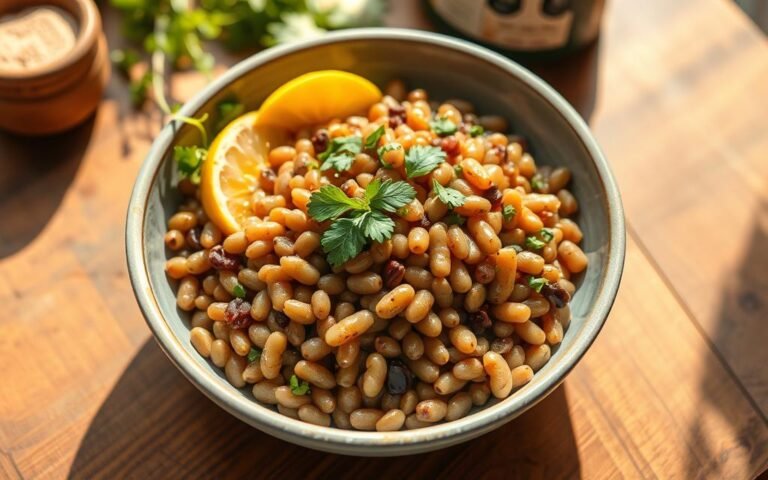
Green lentils are firm and peppery, loved by chefs. They keep their shape and are high in protein, fiber, and minerals. They’re great in salads and side dishes, offering lots of nutrition.
Black Lentils: The Protein-Rich Alternative
Black lentils, or beluga lentils, are small and full of protein and fiber. They taste sweet and keep their shape. Adding them to meals boosts nutrition.
Comparing Blood Pressure Benefits Across Lentil Varieties
All lentils are good for blood pressure, but some might be better. They all have potassium, magnesium, and fiber, which are heart-friendly. Eating different lentils can give you more health benefits.
In summary, lentils come in many types, each with its own benefits for blood pressure. Adding different lentils to your meals can help your heart health.
Practical Ways to Include Lentils in Your Australian Diet
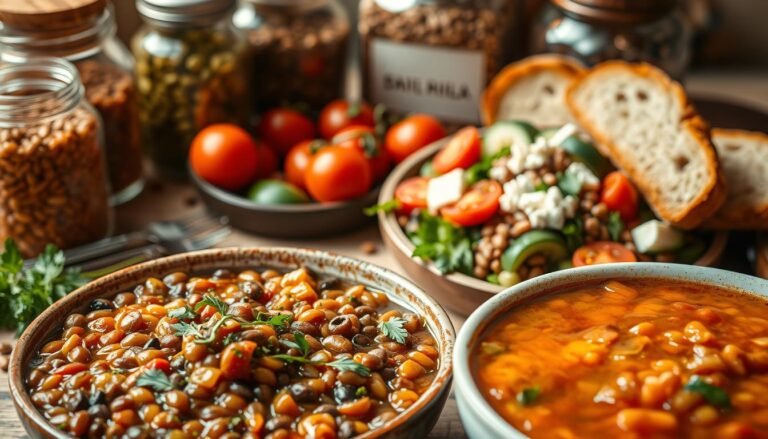
Adding lentils to your meals is simple and tasty. Start by mixing them into soups and stews or exploring new lentil recipes. They’re great in curries and salads too.
For a healthy diet, plan meals with lentils. Make a big pot of lentil soup on the weekend. Use it for lunches all week. Or, add lentils to your favorite curry or stew for more nutrition.
Try lentil salads, stir-fries, or use them as a meat substitute. With a bit of creativity, you can enjoy lentils’ health benefits. This keeps your diet balanced and interesting.