
Looking for a simple, Aussie-friendly guide on the best ways to eat lentils? You’re in the right spot. This intro shows what you’ll learn and why these humble pulses deserve a place on your weekly menu.
Lentils are quick to cook: rinse, sort and simmer until tender. They suit salads, soups, curries and grain bowls. They’re nutrient-dense, affordable and adapt across cuisines.
You’ll get five core approaches: salads, soup or stew, dal and curry, meal-prep bowls, and using them as a meat alternative. Mix and match those ideas for easy weeknight dinners 🙂.
We’ll give clear steps so your pulses are tender, not mushy, plus simple flavour boosts so dishes never taste bland. You’ll also learn which lentil type fits each use-case, and quick recipe pathways for lunches and dinners.
Key Takeaways
- Practical, short cooking steps for reliable results.
- Five flexible meal styles you can swap and repeat.
- Health benefits: protein, fibre and budget-friendly nutrition.
- Which lentil type works best for each dish.
- Quick seasoning and storage tips for meal prep.
Why lentils are a smart choice for better health
Lentils pack a surprising nutritional punch that helps simplify daily meals. They give you plant-based protein and plenty of fibre, so snacks become less tempting and hunger stays away longer.
Protein + fibre = filling plates. Use them in a quick lunch or a simple dinner base and you’ll notice steady energy across the afternoon. This helps when you want fewer mid-meal cravings.
Plant-based protein and fibre that keep you fuller for longer
In plain terms, these pulses boost protein in lunches and dinners without relying on meat every day. They suit vegetarian and vegan recipes and adapt across cuisines.
Key nutrients: iron, folate, potassium and more
One pantry staple gives you iron for energy, folate for cell health and potassium for electrolytes. Those nutrients support everyday wellbeing without extra fuss.
Why they suit budget-friendly, everyday meals in Australia
Dried lentils are low-cost and easy to batch-cook. With 20–30 minutes of cooking time you can make a base that becomes lunches all week.
| Benefit | What you get | Practical tip |
|---|---|---|
| Filling nutrition | Protein & fibre | Add to a salad or bowl for lasting fullness |
| Key minerals | Iron, folate, potassium | Pair with vitamin C (lemon) for better iron absorption |
| Cost and convenience | Low price, long shelf life | Cook a batch and freeze portions for quick meals |
| Versatility | Works in many cuisines | Use as a base ingredient in curries, salads and stews |
Want more ideas on using them for weight-friendly meals? Check these lentils for weight management tips for practical recipes and portion ideas.
Types of lentils and the best uses for each
A quick guide to types of lentils helps you match texture and cook time with what you plan to make.
Green and French (Puy) varieties
Green lentils, including French Puy, hold their shape when cooked. That makes them perfect for a crisp salad or a side where you want individual grains to stay distinct.
Brown options for everyday pots
Brown lentils are the reliable pantry pick. They soften in about 30 minutes and suit soups, stews and bulk meal prep. They’re forgiving if you’re learning timing.
Fast-cooking red and yellow types
Red lentils and yellow lentils cook in roughly 15 minutes and tend to melt into a creamy texture. Use them for dal, blended dips and coconut curries when you want silky results.
Beluga (black) for texture and visual flair
Beluga lentils keep a firm bite and look great in grain bowls or layered jars. They’re a small step up visually and add pleasing contrast on the plate.
| Type | Cook time | Best uses |
|---|---|---|
| Green / Puy | 30–35 min | Salads, sides, cold bowls |
| Brown | 25–30 min | Soups, stews, meal prep |
| Red / Yellow | 10–15 min | Dal, creamy curries, dips |
| Beluga (black) | 20–25 min | Salad jars, bowls, visual contrast |
Shopping cues in Australia: look for dried bags in the health-food aisle, canned jars near beans, and occasional vacuum-packed cooked packs in chilled sections. If you want meal prep ideas, see our meal-prep tips with lentils.
How to cook lentils perfectly on the stovetop
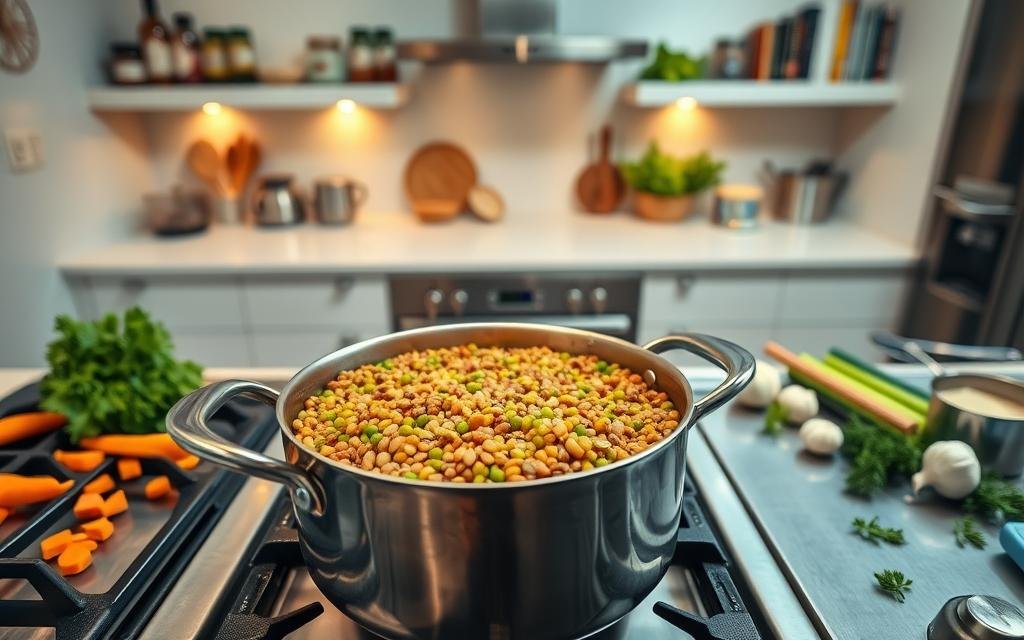
Follow a few clear steps and your dried lentils will turn out tender and ready for any meal. Start by rinsing in a fine-mesh sieve and picking over for any stones or debris. This small step saves unpleasant surprises later.
Bring water, then simmer gently
Place the lentils in a pot and cover with plenty of water — you can drain later, so exact ratios aren’t critical. Bring water to a boil, add the lentils, then immediately reduce heat to a gentle simmer.
Cook times (minutes) by variety
- Red / yellow: ~15 minutes
- French green / brown: ~17–30 minutes depending on size
- Beluga: ~20 minutes
How to avoid mushy lentils and when to add salt
Avoid a rolling boil — it breaks the skins and makes them soft. Let them simmer, taste a few near the end, and stop when they hold a pleasant bite. Hold off on salt until after cooking; season the warm lentils for the best texture.
Practical yield note: One cup dry usually makes several cups cooked, perfect for batch cooking and quick lunches across the week. 😊
Best ways to eat lentils for quick lunches: lentil salad bases
A batch of cooked lentils becomes a flavour-packed base for fast, healthy lunches. Cook once, then mix different toppings through the week for variety and minimal fuss. This saves time and keeps lunches interesting. 🥗
Lemon-herb mix: simple dressing, big punch
Toss cooked lentils with lemon juice, olive oil, Dijon mustard, chopped parsley, black pepper and a pinch of red pepper flakes.
Add a clove of minced garlic if you like extra kick. This salad recipe keeps for up to 5 days in the fridge.
Mediterranean-style: tomato, cucumber and mustard vinaigrette
Combine cooked lentils with diced tomato, cucumber and spring onion.
Whisk olive oil with mustard, lemon and a little honey for a bright salad that feeds two or scales by the cups you measure.
Warm salads for cooler days
Make a warm bowl with quinoa, baby spinach, roasted veg and warm cooked lentils. The quinoa adds texture and extra protein.
Tip: Use firmer lentils (green, Puy or beluga) so your salads keep their bite and don’t turn mushy.
- Portioning: 1 cup cooked lentils per lunch is a good guide for one serving.
- Quick add-on: a little garlic in the dressing amps flavour for meal prep.
Best ways to eat lentils for cosy dinners: lentil soup and stew
On cool nights, a big pot of simmering lentil soup brings comfort with almost no fuss. Soups and stews work as low-effort dinners that still feel nourishing and filling.
Choose texture: hearty or creamy
Green or brown give a firm, hearty bite for chunky soups. They soften over time and can thicken the broth.
Red melts fast and makes a silky, creamy base — perfect for a smooth, warming bowl.
Drop dried lentils straight into the pot
Add dried lentils with stock and veg while the soup simmers. They absorb water and swell, so plan extra liquid if needed.
Simple flavour builders
Start with garlic, cumin and coriander. Add black pepper and herbs (thyme, bay or parsley). Finish with a splash of lemon or vinegar and adjust salt near the end for punch.
| Choice | Cook minutes | Use |
|---|---|---|
| Green / brown | 25–30 minutes | Chunky soups, stews |
| Red | 10–15 minutes | Creamy soups, blended stews |
| Beluga | 20 minutes | Textured broths, salads |
Tip: Make a double batch — you’ll have dinner now and lunches for the week. Small tweaks near the end make a big flavour difference. 😊
Best ways to eat lentils for weeknight comfort: red lentil dal and curry
A warm bowl of spiced red lentil dal is a weeknight lifesaver when you want comfort without fuss. Red lentil cooks fast and breaks down into a creamy texture that feels indulgent without cream.
Why red lentils melt into a creamy base
Red lentil and yellow types lose their outer skins quickly during cooking. That means they soften and thicken the broth in roughly 15 minutes, creating a naturally silky sauce.
A simple red lentil dal blueprint
Start with drained red lentils, water and a handful of spices. Bring the pot to a gentle boil, then reduce heat and simmer. Cook for about 12–15 minutes, stirring now and then so nothing sticks.
- Ingredients: red lentil, chopped onion, garlic, cumin, turmeric, water.
- Method: boil briefly, lower the heat, simmer until soft, finish with lemon and salt at the end.
Coconut milk curry with sweet potato
For a richer dinner, add diced sweet potato and a can of coconut milk. Simmer until the veg is tender and the dal reaches your preferred thickness.
Adjust by adding more water for a soup-like bowl, or simmer longer for a thicker curry. Serve over rice, with flatbread or a scattering of fresh herbs.
“Red lentils give big comfort on small time — flavours deepen after resting, so leftovers often taste even better the next day.”
| Element | Tip | Timing / Note |
|---|---|---|
| Liquid | Start with water, add coconut milk for creaminess | Use extra water for thinner soup |
| Heat control | Bring to boil, then steady simmer | Prevents sticking and keeps texture silky |
| Seasoning | Add salt and lemon after cooking | Salt late to preserve creaminess |
| Serving | Rice, flatbread or greens | Refrigerate; flavours deepen next day |
Best ways to eat lentils for meal prep: bowls with grains and greens
A single pot can give you a week of bright, balanced lunches that actually feel fresh. Prep once and mix flavours across days so nothing gets boring. 😊
One-pot quinoa + lentils + spinach for high-protein lunches
Quick method: cook quinoa and lentil together or stagger the pot so both finish at the same time. Add baby spinach near the end so it wilts but stays bright.
This build saves washing-up and keeps protein high. Use this recipe as a base for warm bowls or chilled jars.
Portioning by cup for repeatable bowls
Practical guide: 1 cup dry lentil often yields about 2½ cups cooked. Measure by cup so you can replicate servings each week.
- Grains on the bottom (quinoa).
- Cooked lentils in the middle for protein.
- Greens and veg on top; dressing last.
Storage tip: cool fully, refrigerate in airtight containers — cooked lentils keep 4–5 days. Prep components if you like crunch.
“Make one batch, remix daily — small swaps keep the week interesting.”
Best ways to eat lentils as a meat alternative
A simple pan of seasoned cooked lentils can mimic the mouthfeel of minced meat in many family favourites. This approach saves money and adds extra protein and fibre without fuss.
Lentil bolognese for pasta and spaghetti squash
Lentil bolognese uses cooked lentil for a chunky, saucy pasta topping. Simmer lentil with canned tomatoes, garlic and oregano until flavours meld. It pairs beautifully with spaghetti squash for a lighter plate.
Vegan taco “meat” using garlic and spices
Sauté cooked lentils with garlic, cumin, coriander and a pinch of cayenne. Add smoked paprika and salt for a smoky flavour that fills tacos, burritos or nachos. French green or brown types hold their shape and give a meaty bite.
Lentil patties, balls and loaf
Combine mashed lentil with grated veg, oats, egg or flax binder and herbs. Shape into patties, balls or a loaf and bake or pan-fry until golden. These family-friendly formats feel like a proper main and reheat well.
| Dish | Key lentil | Why it works |
|---|---|---|
| Bolognese | Brown | Holds texture, so sauce stays chunky |
| Taco filling | French green | Sautéed spices give smoky, savoury flavour |
| Patties / loaf | Brown or green | Bind well and provide sturdy protein portions |
Leftovers: use these fillings in wraps, toasties or as a salad topper. You don’t need to go fully vegetarian — try swapping lentil into one favorite meal each week and see how the family responds. 😊
How to season cooked lentils for maximum flavour
A quick dressing and a handful of herbs will lift a pot of warm lentils into something seriously tasty. Seasoning is fast and it makes them flexible for salads, bowls and sides.
Simple pantry dressing
Try this reliable mix: lemon juice + olive oil + Dijon + salt + black pepper + chopped parsley. Stir it into warm lentils so the flavours absorb quickly.
Herbs and gentle heat
Add chopped parsley for freshness. If you like a kick, sprinkle red pepper flakes. These small touches brighten texture and lift the overall flavour.
- Season once, use everywhere: dress a big batch and portion for salads, bowls and sides.
- Taste as you go — aim for savoury + bright, not flat.
- Variation tips: more lemon for zing, extra oil for richness, extra pepper for bite.
| Step | Ingredients | Why it helps |
|---|---|---|
| Warm dressing | Lemon, olive oil, Dijon, garlic | Heat helps flavours mingle fast |
| Finish | Parsley, red pepper flakes | Freshness and gentle heat add lift |
| Taste & adjust | Salt, pepper | Balances acidity and rounds flavour |
“A little seasoning early saves bland meals later.”
Storing cooked lentils safely for the week
Store a cooked batch right and you’ll have ready meals all week without stress. Cooling and sealing are as important as the recipe itself. Do these steps and your meal prep stays tasty and safe. 😊
Fridge storage in an airtight container and how many days they keep
Cool cooked lentils quickly after cooking. Spread them on a shallow tray for a few minutes, then transfer into an airtight container.
Seal the container to stop drying and to prevent fridge smells. Label it with the date so you can track how many days have passed.
Use within about 4–5 days for best quality and food safety. If you plan meals, treat day 3–4 as prime eating days for texture and flavour.
Freezing cooked lentils for fast future meals
Portion cooked lentils into small, freezer-friendly airtight containers or freezer bags. Smaller portions let you defrost only what you need.
Frozen lentils keep well for up to 2–3 months (many sources say around 3 months). Texture may soften after freezing — perfect for soups, curries and saucy dishes.
Thaw overnight in the fridge, or add frozen lentils straight into a simmering soup or stew if you’re short on time. Label each container with the date so you always know how many days ago you cooked them.
“Portion, date, seal — simple habits that save time and prevent waste.”
For a practical guide on batch-cooking and freezing, see how and why to cook and freeze large. It’s a handy complement if you often cook lentils for the week.
Conclusion
A single cooked batch can change how quickly you pull meals together each week.
Recap: salads, soup or stew, dal and curry, meal-prep bowls, and using them as a meat-free main give you five flexible options. Pick fresh salad if you want crisp, or a cosy lentil soup for colder nights.
Big wins: affordable pantry fuel, easy cooking, strong nutrition and lots of flavour once you master rinsing and gentle simmering. Start here — cook one batch this week and use it in one lunch and one dinner.
Key technique: rinse, simmer gently, taste and season at the end. Try green/French for salads and red for creamy dal. For more on nutrition and handling, see this lentils guide and pick a recipe that becomes your go-to weeknight meal. 😊


