You’ve probably heard that lentils are a superfood. But what’s behind their fame? Lentils are full of protein, fibre, and important vitamins and minerals. They’re a fantastic choice for your meals. 🌟
Eating lentils can boost your heart health, help with weight management, and control blood sugar. Adding lentils to your diet is a big step towards a healthier life.
Key Takeaways
- Understand the nutritional benefits of lentils for overall health.
- Learn how to incorporate lentils into your diet effectively.
- Discover the recommended daily serving size for maximum health benefits.
- Explore the various health benefits associated with lentil consumption.
- Find out how lentils can support heart health and weight management.
The Nutritional Profile of Lentils
Learning about lentils’ nutritional profile helps you choose better foods. Lentils are packed with nutrients, making them a top pick for a healthy diet.
Macro and Micronutrient Breakdown
Lentils are full of good stuff. One cup cooked has about 230 calories, 18g of protein, 1g of fat, 40g of carbs, and 16g of fibre. They’re also rich in iron, potassium, and vitamins and minerals.
Nutritional Highlights of Lentils:
| Nutrient | Amount per Cup (cooked) |
|---|---|
| Calories | 230 |
| Protein | 18g |
| Fat | 1g |
| Carbohydrates | 40g |
| Fibre | 16g |
Australian Dietary Guidelines on Legumes
The Australian Dietary Guidelines suggest eating legumes like lentils for a healthy diet. Legumes are full of nutrients and are good protein sources. They’re also a great meat substitute, being sustainable and nutritious.
Lentils vs. Other Protein Sources
Lentils are special because they’re high in fibre and low in fat. Unlike many animal proteins, lentils are cholesterol-free and rich in complex carbs. This makes them great for heart health. Here’s how they compare:
| Protein Source | Protein Content | Fibre Content | Fat Content |
|---|---|---|---|
| Lentils (1 cup cooked) | 18g | 16g | 1g |
| Chicken Breast (100g) | 31g | 0g | 3.6g |
| Salmon (100g) | 20g | 0g | 13g |
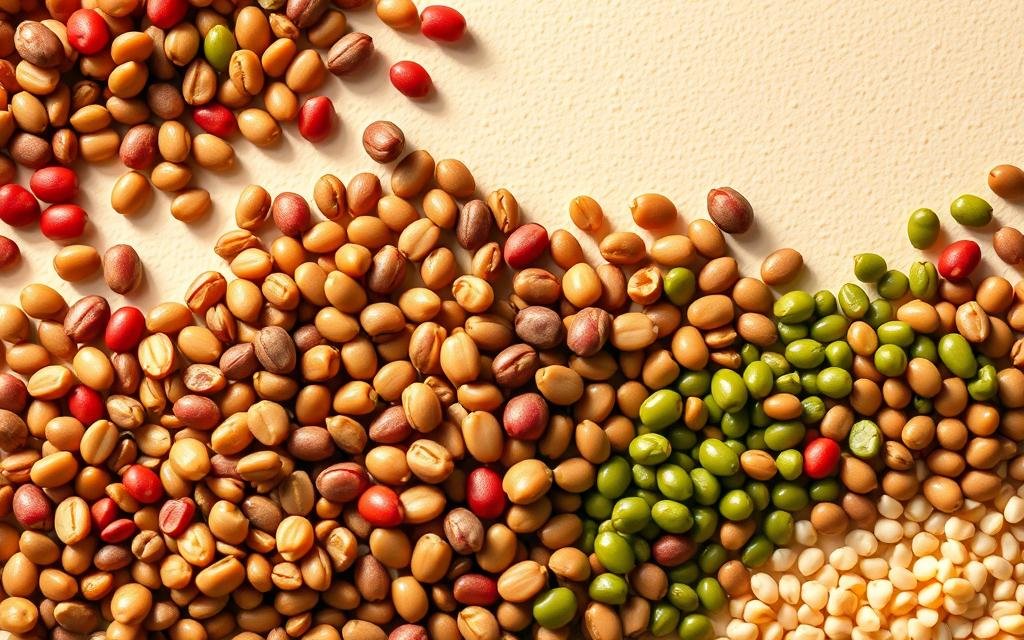
Lentils are a unique mix of nutrients, making them key to a balanced diet. Adding lentils to your meals brings many health benefits and diversifies your protein intake.
Determining Your Daily Lentil Serving Size
Starting your journey to better nutrition is easy with lentils. They’re nutritious and can fit into your diet easily. But, the right amount for you depends on a few things.
Standard Recommended Portions for Adults
Adults should aim for half a cup of cooked lentils. This size gives you lots of protein, fiber, and important nutrients. Here’s what you get from half a cup of cooked lentils:
| Nutrient | Amount per ½ cup cooked |
|---|---|
| Protein | 9 grams |
| Fiber | 8 grams |
| Iron | 3.9 mg |
| Potassium | 730 mg |
Adjusting Serving Size Based on Age and Activity Level
Half a cup of cooked lentils is a good start, but you might need more or less. Athletes or very active people might need more protein. On the other hand, older adults or those who are less active might do well with a smaller amount.
Tips for adjusting your serving size:
- If you’re highly active, consider increasing your serving size to ¾ cup or more.
- For older adults or less active individuals, a serving size of ¼ cup might be more suitable.
- Pregnant or breastfeeding women may have higher nutritional needs and could benefit from consulting a healthcare provider for personalized advice.
Measuring and Preparing Proper Lentil Portions
Measuring lentils can be done in either dry or cooked measurements. It’s important to know the difference.
Dry vs. Cooked Measurements
When cooked, lentils grow a lot. One cup of dry lentils makes about 2 cups cooked. So, half a cup cooked is about ¼ cup dry. Knowing this helps you plan your meals better.
By adjusting your daily lentil serving size, you can get the most nutritional benefits. Enjoy a healthier diet with lentils.
Health Benefits of Optimal Lentil Consumption
Lentils are packed with nutrients, fibre, and protein. They’re great for a healthy diet. Adding them to your meals can boost your health.
Digestive Health and Fibre Intake
Lentils are full of dietary fibre. This is key for a healthy gut. A fibre-rich diet can prevent constipation and support good gut bacteria.
“A diet rich in fibre is essential for a healthy digestive system,” says Dr. Jane Smith, a leading nutrition expert. “Lentils are an excellent way to increase your fibre intake and support overall digestive health.”
Heart Health and Cholesterol Management
Lentils are good for your heart. They’re full of soluble fibre, potassium, and antioxidants. Soluble fibre helps lower cholesterol by removing bile acids from the body.
- Lowering LDL (bad) cholesterol levels
- Reducing blood pressure
- Preventing the formation of blood clots
Eating lentils regularly can lower heart disease risk. It supports overall heart health.
Blood Sugar Regulation and Diabetes Prevention
Lentils have a low glycaemic index. They’re digested slowly, which doesn’t raise blood sugar quickly. This is good for people with diabetes or at risk.
The fibre and protein in lentils help control blood sugar. As Dr. John Doe notes, “Lentils are a great food for managing blood sugar levels and can be a valuable part of a diabetes prevention plan.”
Weight Management and Satiety Benefits
Lentils are good for weight management. Their high fibre and protein content make you feel full longer. This can help you eat fewer calories and lose weight.
Adding lentils to your meals can also reduce unhealthy snack cravings. They’re a key part of a balanced diet for a healthy weight.
Incorporating Daily Lentil Serving Size into Your Australian Diet
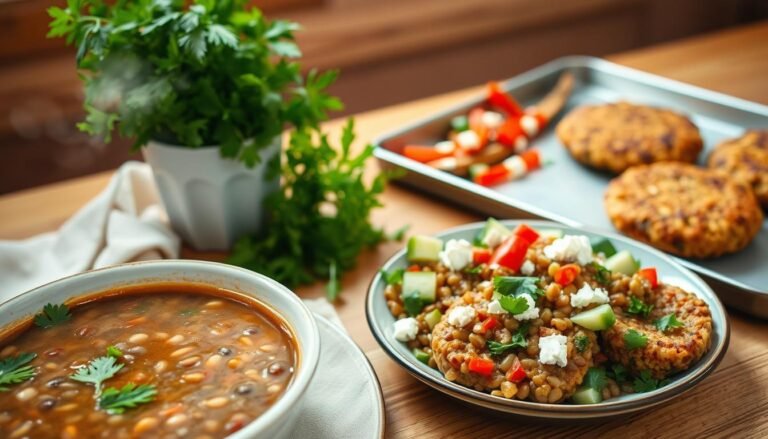
Lentils are a great choice for Australians wanting to eat better. They’re easy to add to many dishes, like soups, stews, salads, and curries.
Popular Lentil Varieties Available in Australia
Australia has many lentil types, each with its own special traits. You can find green, red, and beluga lentils in most shops. Knowing the right serving sizes helps you use lentils well in your meals.
Seasonal Lentil Dishes for the Australian Climate
Australia’s weather lets you enjoy lentil dishes all year. In cold months, lentil stews and soups are great. In warmer times, lentil salads and curries are refreshing and healthy. Adjust your recipes with the seasons to keep meals interesting and weather-friendly.
Quick Weekday Lentil Recipes
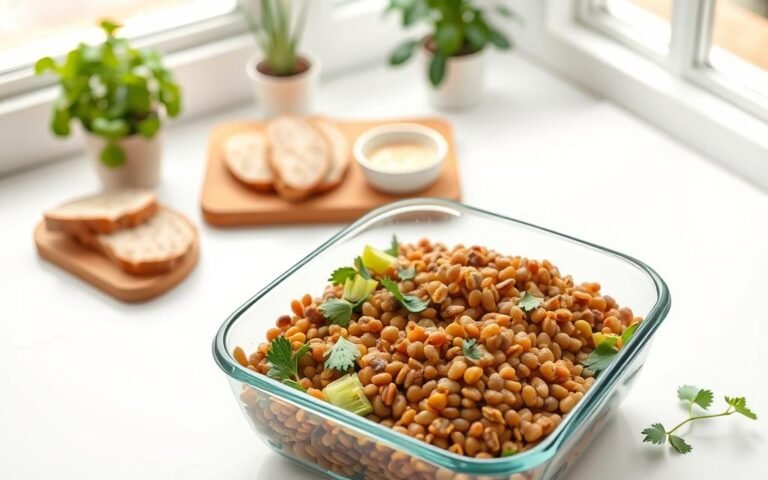
Lentils are quick and easy to make, perfect for busy days. Here are some fast recipe ideas:
- Lentil and vegetable stir-fry
- Lentil soup with crusty bread
- Lentil and avocado salad
These recipes take less than 30 minutes, making them ideal for a fast, healthy meal.
Potential Considerations and Precautions
While lentils are good for you, there are a few things to remember. Proper preparation is key to reducing antinutrients and improving digestibility.
Antinutrients and Proper Preparation
Lentils have antinutrients like phytic acid. Soaking and cooking them can reduce these. Soaking overnight and then cooking well can boost your lentil dishes’ nutrition.
Individual Tolerance and Digestive Adaptation
Some people might find lentils hard to digest, especially if they’re new to them. Start with small amounts and watch how your body reacts. This helps your body get used to lentils.
| Lentil Type | Cooking Time | Best Used In |
|---|---|---|
| Green Lentils | 30-40 minutes | Salads, stews |
| Red Lentils | 20-30 minutes | Curries, soups |
| Beluga Lentils | 25-35 minutes | Salads, side dishes |
Adding lentils to your diet and being careful with preparation and sizes can bring many health benefits. They’re good for your digestion, weight management, and adding variety to your meals. Lentils are a great choice for your Australian diet.
Conclusion
Adding lentils to your diet can greatly improve your health. They are packed with nutrients and offer many benefits. This makes lentils a great choice for a healthy Australian diet.
Knowing the right amount of lentils to eat is key. It depends on your age and how active you are. Eating lentils can help your digestion, heart health, and weight.
It’s easy to add lentils to your meals. There are many tasty and simple recipes out there. So, why not make lentils a regular part of your diet? 🌟
This choice will help you live a healthier life. Your body will get a boost of nutrients from lentils. This supports your health and wellbeing.