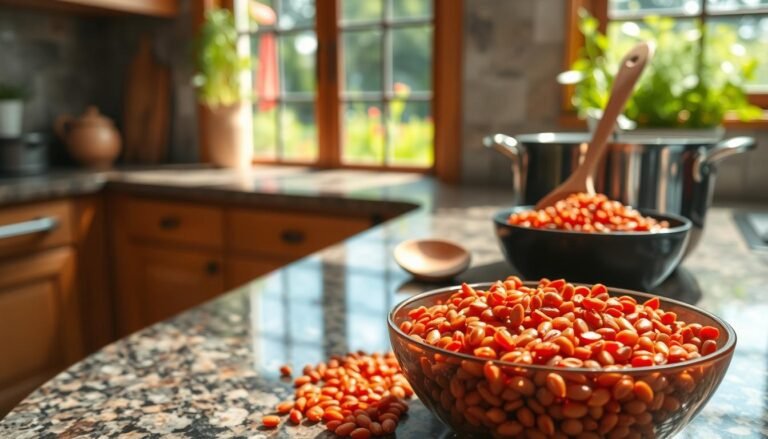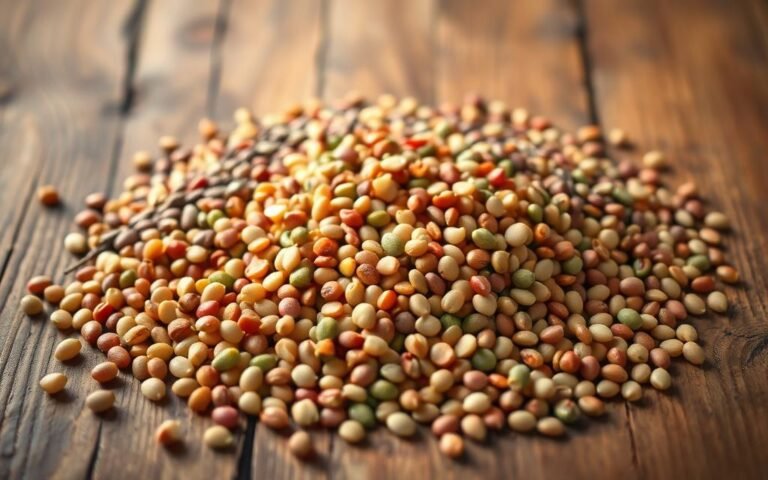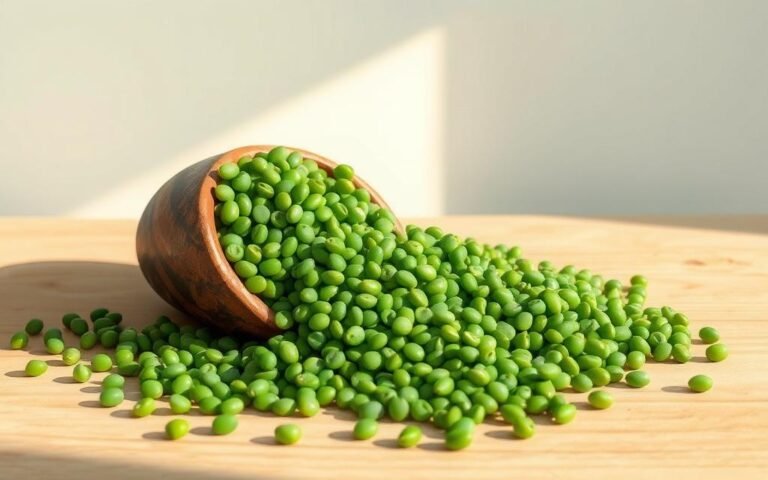
Lentils are loved all over the world. They are used in many dishes because they are tasty and good for you. You can find them in stews and salads.
Lentils are very important in cooking everywhere. This article will look at two types of lentils. We will see which one is better for you.
Key Takeaways
- Lentils are a nutrient-rich food, providing a good source of protein and fibre.
- Different types of lentils have varying nutritional profiles.
- The choice between red and French lentils depends on nutritional needs and culinary uses.
- Lentils are versatile and can be used in a variety of dishes, from soups to salads.
- Incorporating lentils into your diet can have significant health benefits.
All About Lentils: A Nutritional Powerhouse
Lentils are more than just food. They are packed with nutrients and have a long history. For thousands of years, they’ve been a key part of our diet, offering protein, fiber, and important nutrients.
The History and Importance of Lentils in Global Cuisine
Lentils have been eaten all over the world for thousands of years. They started in the Middle East and Mediterranean. They were one of the first crops grown by humans, helping early farming grow.
Lentils are a key ingredient in many dishes. They’re found in Indian curries and Mediterranean stews. This is because they’re versatile and full of nutrients.
Why Lentils Are Gaining Popularity in Australian Diets
Lentils are becoming more popular in Australia for good reasons. They’re great for health and can be used in many dishes. People are choosing plant-based diets more, and lentils are a big part of that.
They’re high in protein and fiber. This makes them perfect for those who don’t eat meat. Plus, they can be used in soups, salads, and more.
| Nutritional Benefits | Description |
|---|---|
| High in Protein | Lentils are an excellent source of plant-based protein, making them ideal for vegetarians and vegans. |
| Rich in Fiber | Lentils are rich in dietary fiber, which aids in digestion and promotes a healthy gut. |
| Essential Nutrients | Lentils are a good source of iron, folate, and other essential minerals. |
Red and French Lentils: What’s the Difference?
Lentils come in many types, like red and French lentils. They are both healthy and can be used in many ways. Knowing their differences helps cooks pick the best one for their dishes.
Origin and Botanical Classification
Red lentils are reddish-orange and speckled. They belong to the Lens culinaris species. French lentils are green or brown and bigger, with a firmer texture.
Chefs say lentils have been around for thousands of years. Different places grow their own types.
“Lentils have been a staple in many cuisines around the world, particularly in South Asia and the Mediterranean.”
Physical Characteristics and Identification
Red lentils are small and bright, while French lentils are big and less colorful. This matters a lot for dishes where looks count.
| Characteristics | Red Lentils | French Lentils |
|---|---|---|
| Size | Smaller | Larger |
| Color | Reddish-Orange | Green or Brown |
| Texture | Softens quickly | Firmer |
Taste Profile Differences
Red lentils taste mild and sweet. They’re good in many dishes. French lentils are earthier and firmer, great in salads and sides.
Knowing these differences helps cooks choose the right lentil. This makes meals taste better and are healthier.
Red Lentils: Complete Profile
Red lentils are loved in Australia for their quick cooking and easy digestion. They are split and hulled, making them great for many dishes.
Texture and Cooking Properties
Red lentils are soft and cook fast, usually in 20-25 minutes. They change shape when cooked, which is perfect for soups, curries, and stews.
Key cooking benefits include:
- Quick cooking time
- Easy to digest
- Versatile for various recipes
Common Uses in Australian and Global Cuisine
Red lentils are key in many cuisines, like Australian, Indian, and Middle Eastern. They’re often in soups, stews, curries, and as a meat substitute in veggie dishes.
Availability and Storage in Australia
Red lentils are easy to find in Australian supermarkets and health stores. They keep for up to a year in a cool, dry spot. Proper storage keeps their nutrients and cooking quality.
French Lentils: Complete Profile
French lentils are loved by health-conscious Aussies for their unique look and nutritional value. They have a speckled look with dark green or blackish-blue colors. They are smaller, rounder, and flatter than other lentils.
Texture and Cooking Properties
French lentils are known for keeping their shape well when cooked. This makes them perfect for salads, stews, and side dishes. They are firmer than red lentils, great for dishes where lentils should stay firm.
Common Uses in Australian and Global Cuisine
French lentils are versatile and fit in many dishes. They’re used in stews, soups, salads, and casseroles. In Australia, they’re prized for their texture and health benefits. For more on lentil benefits, check this resource.
Availability and Storage in Australia
French lentils are easy to find in supermarkets and health stores in Australia. They last up to a year in a cool, dry spot. Store them in an airtight container to keep them fresh.
Nutritional Comparison: Which Lentil is Healthier?
Red and French lentils are both packed with nutrients. They are great sources of protein, fiber, and vitamins. This makes them very healthy.
Protein and Fibre Content
Both red and French lentils are high in protein and fiber. This is good for your digestion and keeps you full. Red lentils have about 26 grams of protein per 100 grams. French lentils have around 25 grams per 100 grams. They both have a lot of fiber, with red lentils having a bit more.
- Red Lentils: 26g protein, 10.7g fiber per 100g
- French Lentils: 25g protein, 10.5g fiber per 100g
Vitamins and Minerals Breakdown
Both lentils are full of vitamins and minerals. They have folate, iron, and potassium. French lentils have a bit more iron than red lentils. Folate is important for making red blood cells.
| Lentil Type | Folate (mcg) | Iron (mg) | Potassium (mg) |
|---|---|---|---|
| Red Lentils | 180 | 3.9 | 730 |
| French Lentils | 190 | 4.2 | 740 |
Glycemic Index and Blood Sugar Impact
The glycemic index of lentils is low. This means they don’t raise blood sugar much. Red lentils have a slightly higher GI than French lentils. But both are still low.
- Red Lentils: GI of around 26
- French Lentils: GI of around 20
Antioxidant Properties Comparison
French lentils have more antioxidants because of their darker skin. This skin keeps more antioxidants than red lentils.
In conclusion, French lentils are a bit healthier than red lentils. They have more antioxidants and a lower glycemic index. But the difference is small. Both can be part of a healthy diet.
Cooking with Red and French Lentils in Australian Kitchens
Lentils, especially red and French, are becoming popular in Australian kitchens. They are nutritious and easy to cook. You can use them in many dishes, like soups and salads.
Best Cooking Methods for Each Type
Red lentils cook fast and are great for soups and stews. They become thick and comforting. French lentils keep their shape and are good in salads and as a meat substitute.
To cook them, sauté onions, garlic, and spices first. Then add lentils and broth or water. You can also use a slow cooker or bake them in the oven for a tasty meal.
Australian-Inspired Recipe Ideas
Australian kitchens are getting creative with lentils. Try a Lentil and Vegetable Curry with red lentils. Or make a French Lentil Salad with roasted veggies and a tangy dressing.
For a filling meal, cook French lentils with veggies and spices. Serve it with grilled meats or as a veggie main. You can also make lentil and rice bowls, inspired by global cuisines, like those on Fig Jam and Lime Cordial.
Substitution Tips and Tricks
When swapping lentil types, think about cooking time and texture. Red lentils are softer and break down more. French lentils are firmer and need longer cooking.
Here are some tips:
- Adjust cooking times based on the lentil type
- Use red lentils for thicker dishes
- Choose French lentils for salads and dishes needing texture
Conclusion: Making the Right Lentil Choice for Your Health Goals
Red and French lentils are both good for you. They can be part of a healthy diet. The right choice depends on your health goals and how you like to cook.
Red lentils are great for a soft texture and quick cooking. They’re perfect for soups, stews, and curries. French lentils keep their shape and are firmer. They’re good for salads and side dishes.
Both lentils are full of protein, fibre, and vitamins. Your choice should match how you eat and your diet needs.
Think about your cooking and health goals when picking lentils. Red or French, you’ll add health to your meals.